Misconceptions About Meditation: Debunking Common Myths


Understanding Meditation: Beyond the Myths
Meditation has gained immense popularity in recent years, yet numerous misconceptions still surround this ancient practice. These myths can discourage people from trying meditation or lead to misunderstandings about its benefits and practices. Let's explore some of the most common myths and debunk them.

Myth 1: Meditation is Only for Spiritual People
One of the most pervasive myths is that meditation is exclusively for those on a spiritual path. In reality, meditation is a versatile practice that can benefit anyone, regardless of their spiritual beliefs or lack thereof. It is a tool for mental clarity, stress reduction, and overall well-being, accessible to everyone.
Many secular approaches to meditation focus on its health benefits, such as improved concentration and reduced anxiety. You don't need to be on a spiritual journey to enjoy these advantages.
Myth 2: You Must Clear Your Mind Completely
A common misconception is that meditation requires you to empty your mind of all thoughts. This unrealistic expectation often discourages beginners. The truth is, meditation is not about stopping thoughts but rather about acknowledging them without judgment and gently bringing your focus back to your breath or a mantra.
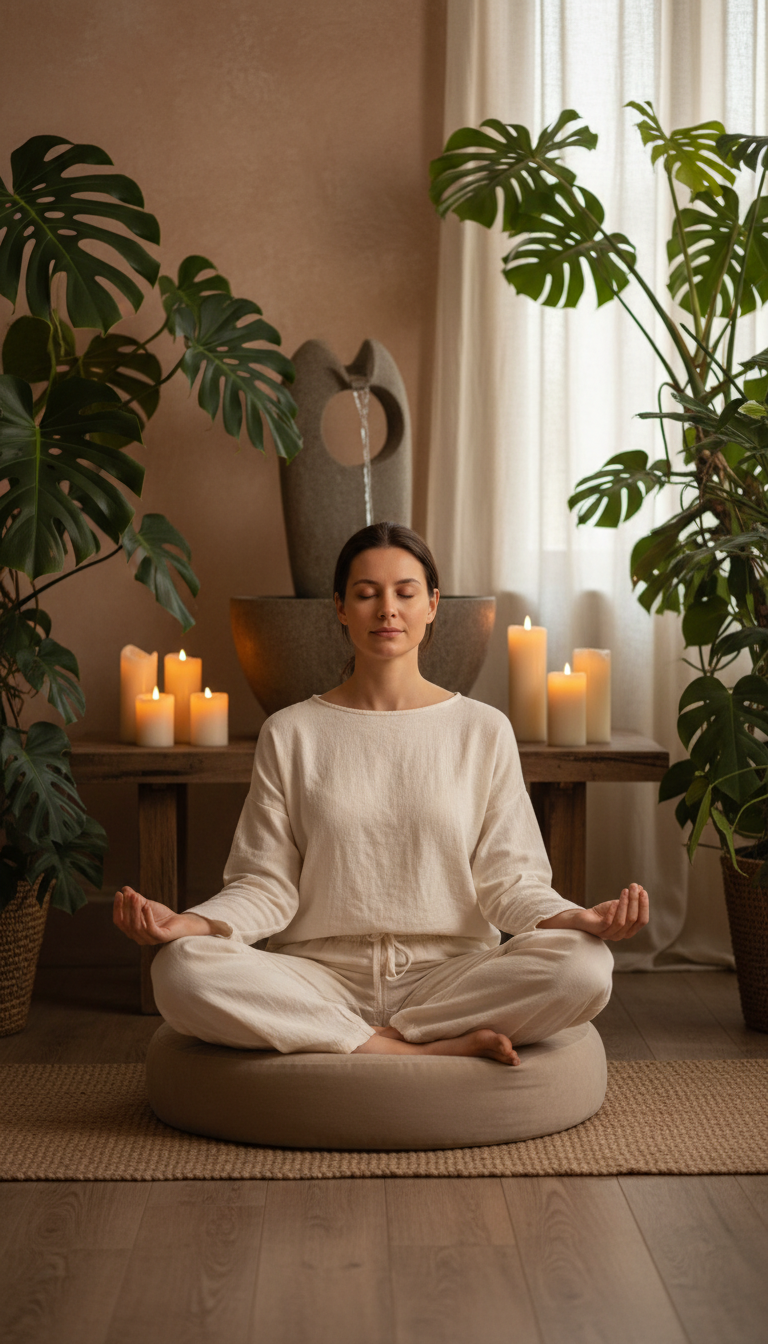
Accepting that thoughts will arise allows you to approach meditation with less pressure and more openness. It's about training your mind to become more aware and present.
Myth 3: Meditation Requires a Lot of Time
Many people believe that meditation demands long hours of practice to be effective. However, even a few minutes a day can bring noticeable benefits. Starting with short, consistent sessions can gradually lead to a more profound practice as you become more comfortable.
Integrating brief meditation moments into daily activities, such as mindful breathing while waiting in line or during a break, can also be highly effective.

Myth 4: Meditation is Escaping Reality
Contrary to the belief that meditation is about escaping reality, it is actually about embracing it. Meditation encourages awareness of the present moment, helping you connect with your surroundings and emotions more deeply.
By fostering a greater understanding of your thoughts and feelings, meditation can enhance your ability to respond to life's challenges with clarity and calmness.
Myth 5: Meditation is Only for Relaxation
While meditation is often associated with relaxation, its benefits extend far beyond. It can improve focus, increase emotional resilience, and even boost creativity. Meditation provides tools to navigate stress, making it a multifaceted practice with various applications.
- Enhanced concentration
- Emotional balance
- Increased creativity
Understanding these diverse benefits can motivate you to explore meditation beyond its relaxing effects.

By debunking these myths, we can appreciate meditation as a practical, inclusive, and adaptable practice. Whether you're seeking relaxation, mental clarity, or a deeper connection with yourself, meditation offers valuable insights and tools for personal growth. Embrace the journey with an open mind, and discover what meditation can truly offer you.