Myths About Meditation: Separating Fact from Fiction


Understanding Meditation
Meditation has been practiced for thousands of years, yet many myths still surround this ancient technique. Despite its widespread popularity, common misconceptions can deter people from trying it. Let's explore some of these myths and uncover the truth behind meditation.

Myth 1: Meditation Requires Clearing Your Mind of All Thoughts
One of the most prevalent myths is that meditation requires an empty mind. In reality, meditation is about training your mind to focus and redirect thoughts. It's normal for the mind to wander, and acknowledging these thoughts is part of the practice. The goal is not to eliminate thoughts but to cultivate awareness.
Myth 2: Meditation Is Only for Spiritual People
While meditation has roots in spiritual traditions, it is not exclusive to spiritual or religious individuals. People from all walks of life, regardless of their beliefs, can practice meditation. It is a tool for improving mental clarity, reducing stress, and enhancing overall well-being.

Meditation and Time Commitment
Another common myth is that meditation requires hours of practice each day to be effective. This isn't true. Even a few minutes of meditation daily can bring significant benefits. The key is consistency, not duration. Short, regular sessions can easily fit into any schedule.
Myth 3: Meditation Is a Quick Fix
Some people believe meditation will instantly solve all their problems. While it can offer immediate relaxation, meditation is not a quick fix. It's a long-term practice that builds resilience and mental strength over time. Patience and regular practice are essential.
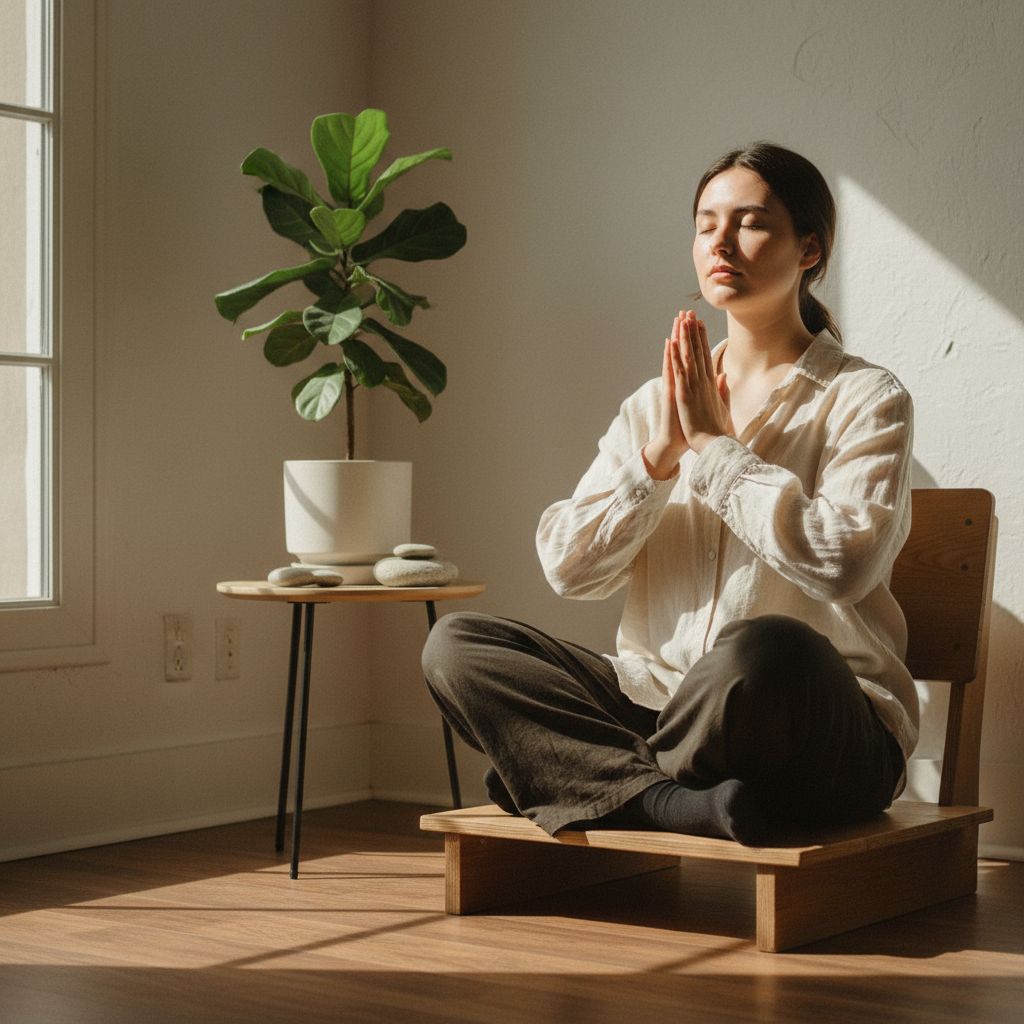
Who Can Meditate?
There's a misconception that meditation is only for certain types of people, such as yogis or those seeking enlightenment. In truth, anyone can meditate. It doesn't require special skills or equipment. All you need is a willingness to learn and an open mind.
Myth 4: Meditation Is Only for Relaxation
While meditation is known for promoting relaxation, its benefits extend far beyond that. It can improve focus, enhance creativity, and increase self-awareness. Meditation is a versatile practice that can be tailored to meet individual goals and needs.

Conclusion
Understanding the realities of meditation can make the practice more accessible and appealing. By dispelling these myths, we can appreciate meditation's true potential and integrate it into our daily lives for lasting impact.