Tantra vs. Traditional Yoga: Understanding the Differences

Introduction to Tantra and Traditional Yoga
Yoga, an ancient practice originating from India, has branched into various forms over the centuries. Among the diverse styles, Tantra and Traditional Yoga stand out as two distinct paths. While both aim to foster spiritual growth and physical well-being, they differ in their approaches and philosophies.

Philosophical Foundations
Traditional Yoga
Traditional Yoga, often associated with Patanjali's Yoga Sutras, emphasizes the eight limbs of yoga, which include ethical guidelines, postures, breath control, and meditation. It focuses on self-discipline, mental clarity, and spiritual enlightenment. The practice is deeply rooted in the idea of achieving a higher state of consciousness by controlling the mind and body.
Tantra Yoga
In contrast, Tantra Yoga is a more esoteric practice that seeks to integrate the physical and spiritual realms. It is based on the belief that everything in the universe is interconnected, and through specific rituals, mantras, and meditations, practitioners can harness this energy. Tantra places a strong emphasis on personal experience and self-discovery.

Practices and Techniques
Traditional Yoga Practices
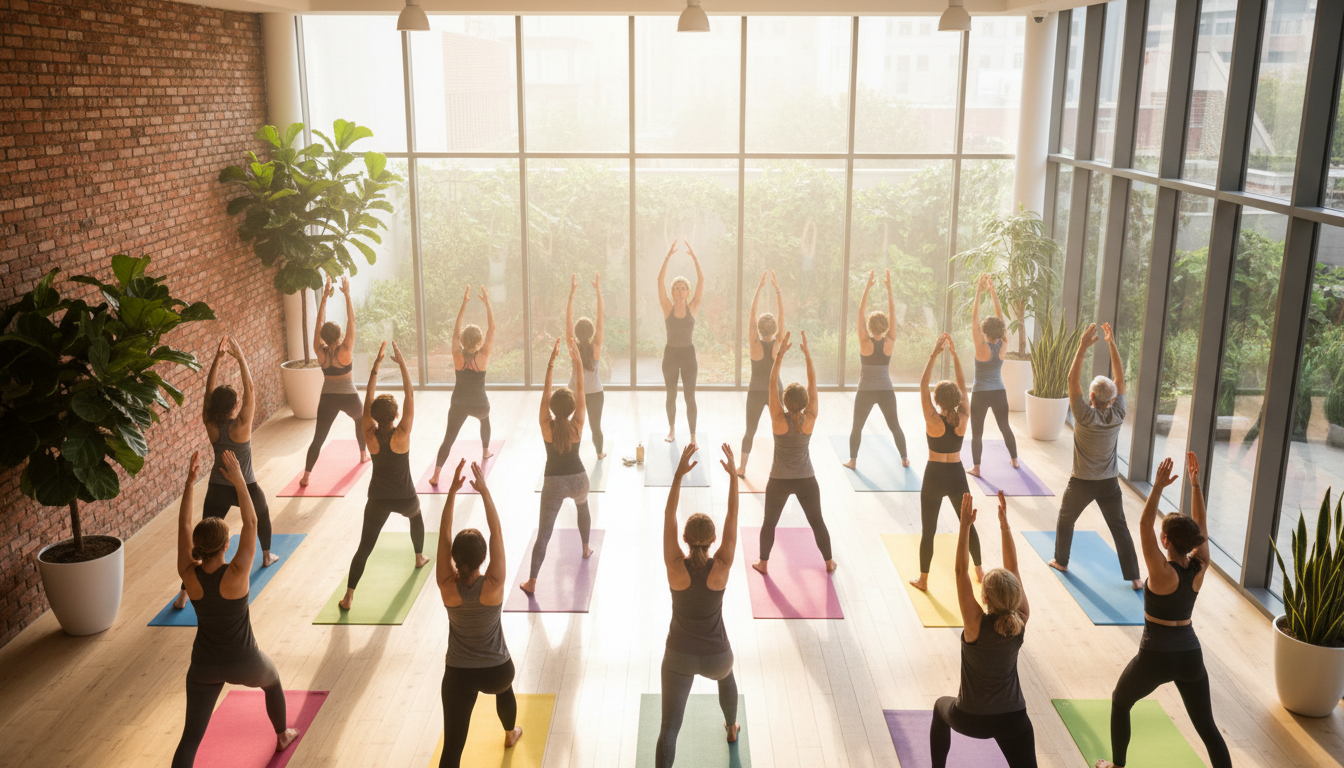
Traditional Yoga practices typically include asanas (postures), pranayama (breathing techniques), and dhyana (meditation). The focus is on achieving harmony between the body and mind. Classes often follow a structured sequence, emphasizing alignment and breath control.
Tantra Yoga Techniques
Tantra Yoga, on the other hand, incorporates a wider range of practices. These can include chanting, visualization, and sometimes more advanced techniques like kundalini awakening. The approach is often more fluid and less structured, allowing for personal expression and exploration.
Goals and Outcomes
Both Tantra and Traditional Yoga aim to improve physical health and mental well-being, but their ultimate goals can differ. Traditional Yoga often seeks liberation or enlightenment through self-control and discipline. Practitioners aim to transcend the ego and achieve a state of blissful awareness.
In Tantra Yoga, the focus is more on embracing life's energies and achieving a sense of oneness with the universe. It encourages practitioners to find the divine within themselves and in the world around them, celebrating the interconnectedness of all things.
Choosing the Right Path
Deciding between Tantra and Traditional Yoga depends largely on personal goals and preferences. For those seeking a disciplined, structured approach, Traditional Yoga may be more suitable. It provides a clear path with specific guidelines to follow.
Conversely, individuals looking for a more exploratory and personal journey might find Tantra Yoga appealing. Its emphasis on personal experience and energy work can be transformative for those open to its practices.
Conclusion
Understanding the differences between Tantra and Traditional Yoga can help practitioners choose the path that best aligns with their spiritual and physical objectives. Both styles offer unique benefits and can lead to profound personal growth. Ultimately, the choice is a personal one, reflecting individual aspirations and beliefs.