The Role of Shamanism in Modern Healing Practices

Understanding Shamanism in the Modern Context
Shamanism, often regarded as one of the oldest spiritual practices, is experiencing a resurgence in today's wellness industry. As people seek holistic approaches to health, the ancient wisdom of shamanic practices is being integrated into modern healing methodologies. This blending of traditional and contemporary techniques provides a unique pathway for personal growth and healing.
In shamanism, practitioners, known as shamans, act as intermediaries between the spiritual and physical worlds. They use rituals, ceremonies, and altered states of consciousness to facilitate healing and transformation. This ancient practice is adaptable, allowing it to coexist with modern therapeutic methods.
The Core Principles of Shamanic Healing
At the heart of shamanic healing is the belief in the interconnectedness of all things. Shamans view illness as a manifestation of disharmony within the individual or between the individual and their environment. By restoring this balance, healing is achieved. This holistic perspective is increasingly appealing in today's fragmented healthcare system.
Shamanic healing often involves several key components:
- Soul Retrieval: Restoring lost parts of one's spirit that may have fragmented due to trauma.
- Power Animal Retrieval: Reconnecting individuals with spiritual allies in the form of animal guides.
- Energy Cleansing: Removing negative energies that contribute to physical and emotional imbalance.
Integrating Shamanism with Modern Healing Practices
Many healthcare professionals are beginning to recognize the value of integrating shamanic practices with established medical treatments. This integration can enhance the effectiveness of therapies by addressing the emotional and spiritual aspects of healing. For instance, combining shamanic rituals with psychotherapy can help patients process deep-seated traumas more effectively.
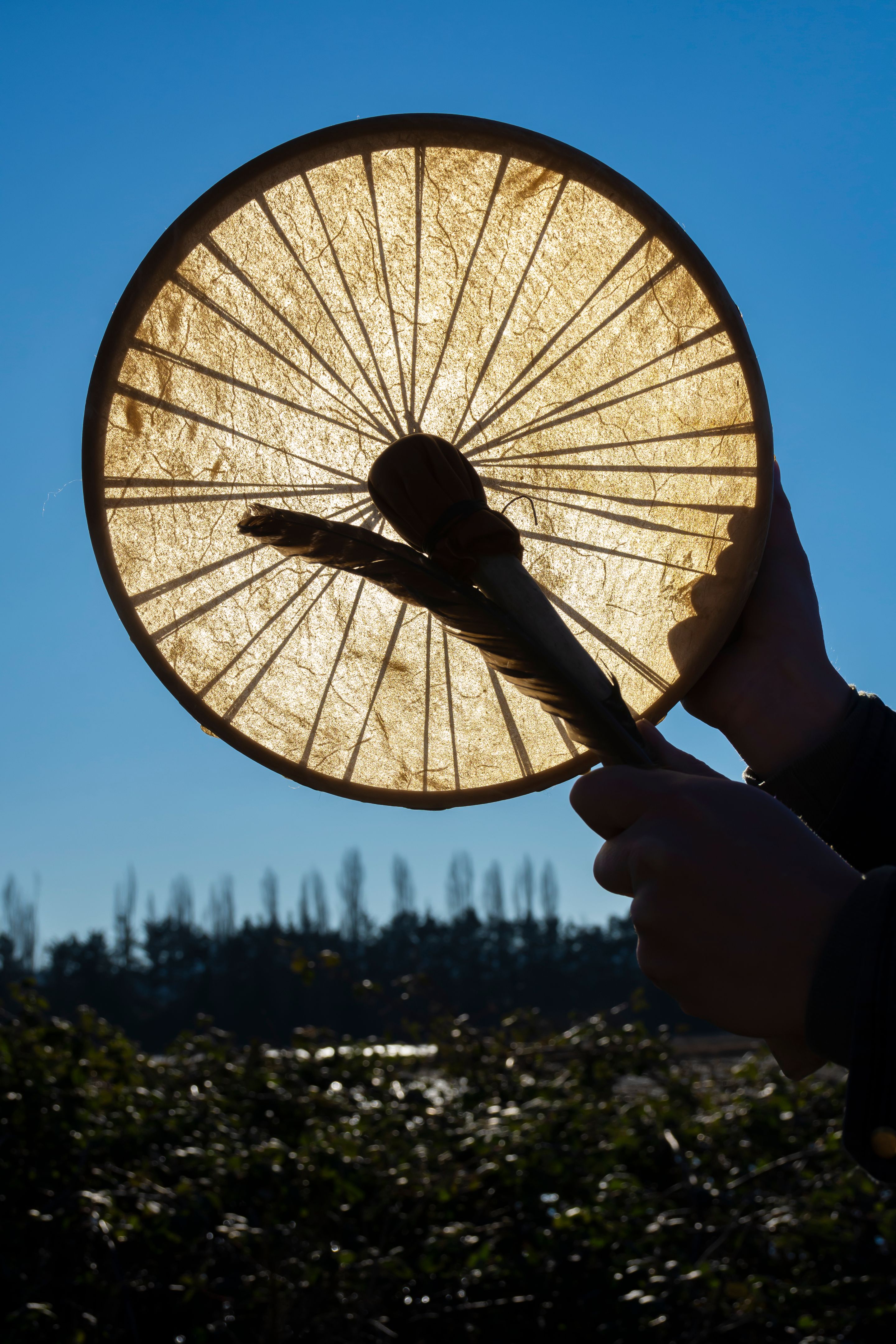
Moreover, shamanic techniques like guided visualization and drumming are being used to reduce stress and anxiety, improve mental clarity, and promote relaxation. These methods complement conventional treatments, offering a well-rounded approach to health and wellness.

The Role of Community in Shamanic Healing
Community plays a vital role in shamanic healing. Traditional shamanic practices often involve group ceremonies, where the collective energy is harnessed to support individual healing. This communal aspect can be particularly beneficial in modern settings, where social isolation is a growing concern.
By participating in shamanic circles or workshops, individuals can experience a sense of belonging and shared purpose. This community support is invaluable in fostering resilience and facilitating long-term healing.
The Future of Shamanism in Healing
As interest in holistic health continues to grow, the role of shamanism in modern healing practices is likely to expand. Its adaptability and focus on spiritual well-being make it a valuable complement to traditional medical approaches. The future may see an even greater fusion of these practices, leading to more comprehensive and effective healing solutions.
Ultimately, shamanism offers a pathway to healing that acknowledges the spiritual dimensions of health, a perspective that is often overlooked in conventional medicine. By embracing this ancient wisdom, individuals can embark on a journey toward complete well-being.