The Ultimate Guide to Workshop Facilitation: Transformative Practices for Personal Growth


Understanding Workshop Facilitation
Workshop facilitation is an art and science that combines planning, communication, and leadership skills to guide a group towards achieving a common goal. Facilitators help create environments that foster learning, collaboration, and personal growth. Whether you're leading a corporate training session or a personal development workshop, understanding the core principles of facilitation is crucial.
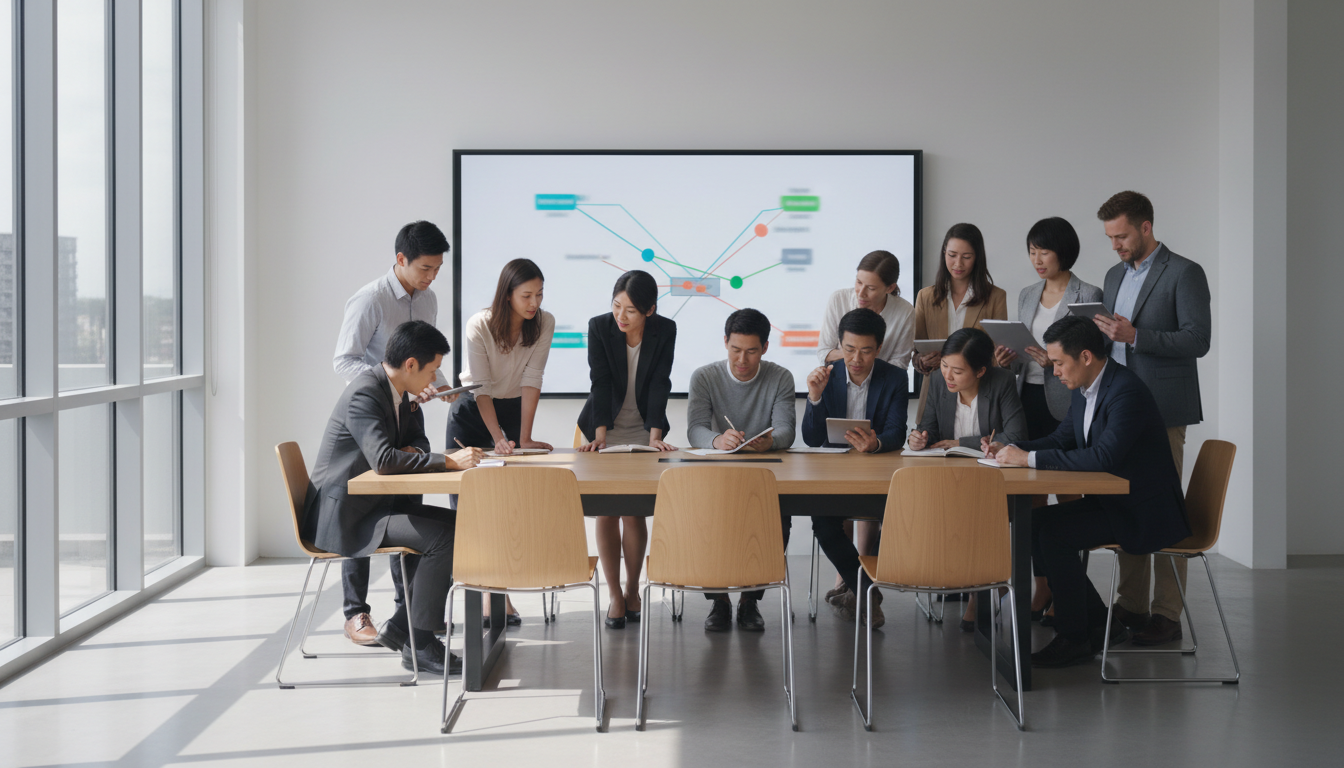
A successful workshop facilitator is not just an instructor but a guide who encourages participants to explore and engage with the material. The facilitator's role is to create a safe space where participants feel comfortable sharing their thoughts and experiences.
Key Principles of Effective Facilitation
Effective facilitation requires a blend of skills and techniques. Here are some key principles:
- Active Listening: Encourage open dialogue by truly listening to participants and acknowledging their contributions.
- Flexibility: Be prepared to adapt the agenda and approach based on the needs of the group.
- Inclusivity: Ensure that all voices are heard and valued, promoting a culture of respect and empathy.
By adhering to these principles, facilitators can create a dynamic and inclusive environment that promotes personal and collective growth.
Planning and Preparation
The success of a workshop often hinges on thorough planning and preparation. Begin by clearly defining the objectives and outcomes you wish to achieve. This will guide the structure and content of the workshop.
Consider the logistics, such as the venue, materials needed, and participant demographics. Tailoring the workshop to suit the specific needs and interests of your audience can greatly enhance its effectiveness.
Designing Engaging Activities
Interactive activities are a cornerstone of effective workshops. They encourage participation and help embed learning in a meaningful way. Activities should be varied to cater to different learning styles, such as visual, auditory, and kinesthetic.
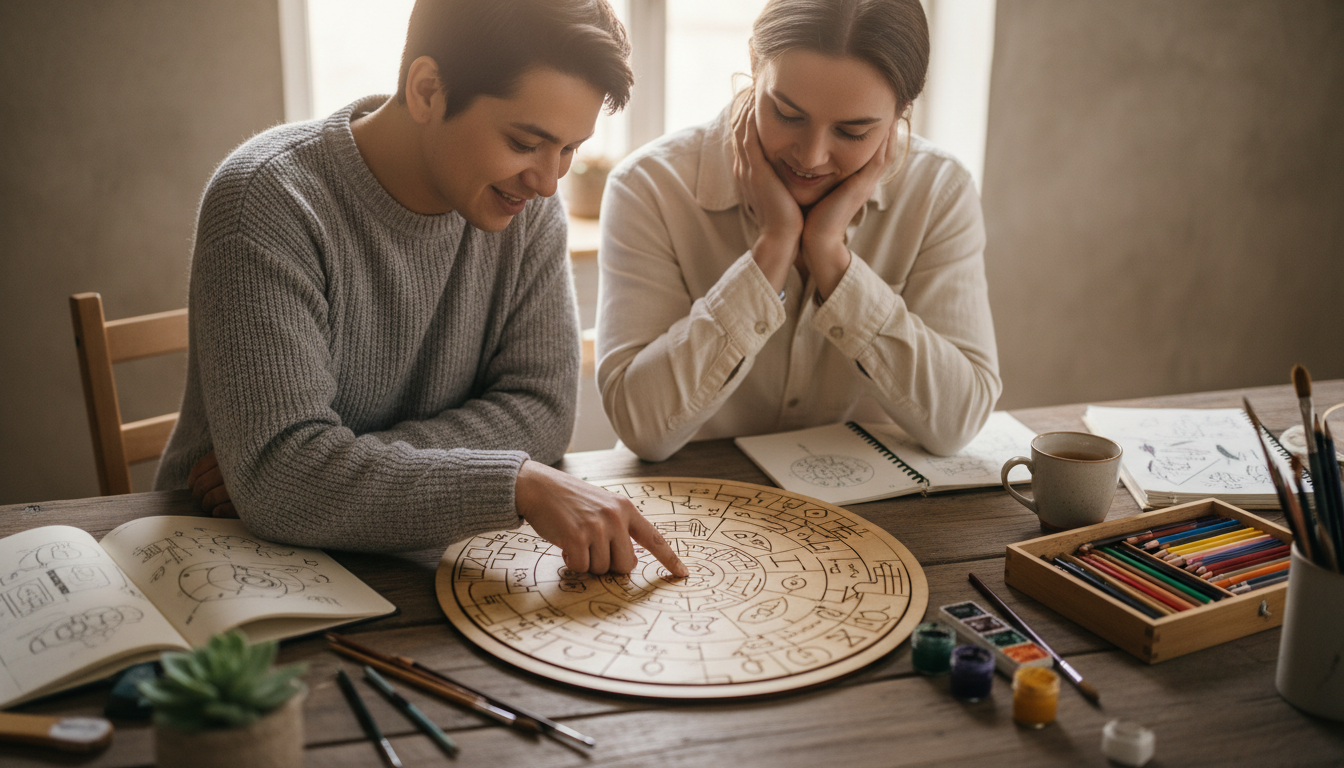
Incorporating group discussions, role-playing, and hands-on exercises can make the learning experience more engaging and memorable.
Managing Group Dynamics
A skilled facilitator is adept at managing group dynamics, ensuring that the workshop remains productive and positive. This involves navigating interpersonal conflicts, encouraging quieter participants to share, and keeping dominant voices in check.
Establishing ground rules at the outset can help maintain a respectful and collaborative environment. Encourage feedback and be open to adjusting your approach based on the group's interactions and responses.
Evaluating Success and Gathering Feedback
After the workshop concludes, evaluation is essential to measure its success and identify areas for improvement. Use feedback forms, surveys, and debriefing sessions to gather insights from participants.
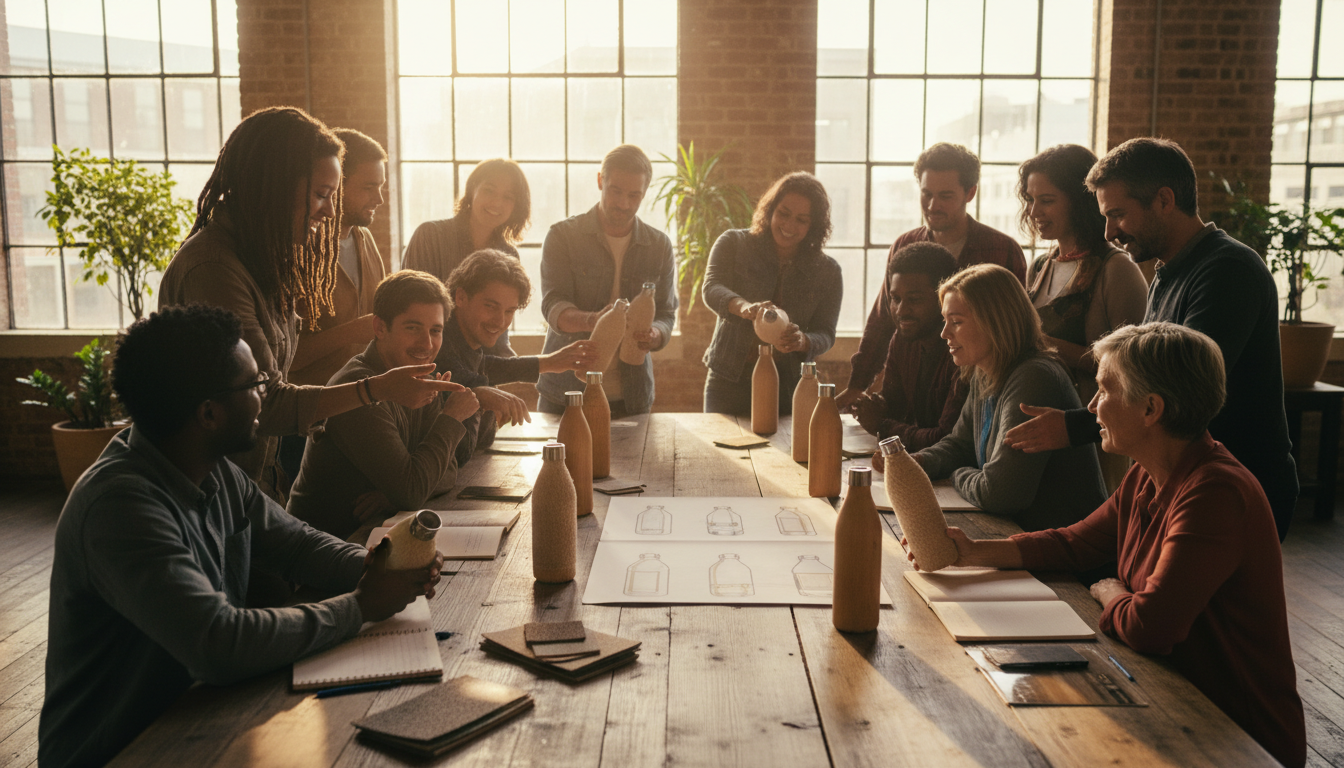
Reflect on the workshop's outcomes compared to its original objectives. This reflection is crucial for personal growth as a facilitator, allowing you to refine your skills and enhance future workshops.
By embracing these transformative practices, workshop facilitators can foster environments that not only educate but also inspire and empower individuals to achieve personal growth.